
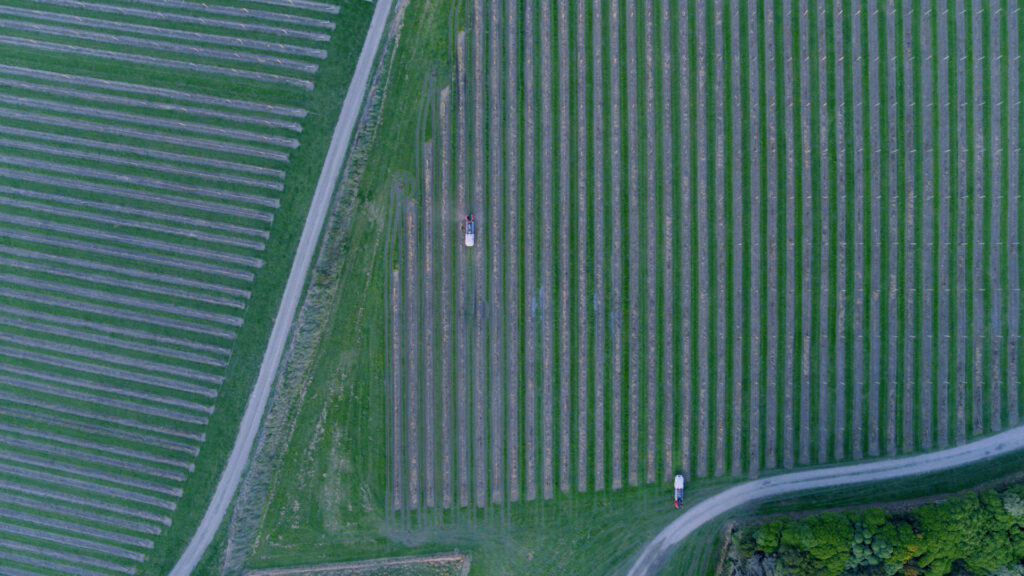
As generative artificial intelligence (AI) and machine learning continue to improve, their incredible processing power is radically changing farming processes and growers’ approach to sustainability.
Sustainability is now essential for long-term viability, not just market reputation. Digital technologies like AI Crop Prediction are making that easier than ever before. Powered by AI, they use machine learning to deliver insights that optimise resources and reduce waste. While profit improvement is always a welcome outcome, this use of AI in agriculture also offers impressive sustainability benefits.
AI Crop Prediction analyses historical and real-time crop data to forecast yields, predict harvest timing and precisely align resource needs. That means growers can use only the irrigation and fertilizer they need.
Sustainability impact: Conserve water, protect soils, and reduce fertiliser runoff into waterways.
With accurate yield predictions, you can make more informed decisions about labour, equipment use and packhouse operations in advance. Just the right resourcing will eliminate unnecessary trips, idle machinery and wasted energy.
Sustainability impact: Have fewer emissions from transport and equipment, and smarter energy use throughout the supply chain.
Unpredictable weather and shifting growing conditions are among the biggest threats to sustainable farming. AI Crop Prediction pulls data from sensors and satellites to adjust forecasts as conditions change. This means growers can take action to protect crops and reduce losses.
Sustainability impact: Precision agriculture helps growers push every hectare to its full potential, reducing waste and the emissions that come with inefficient production.
Regenerative farming could be essential for the viability of the horticulture industry, but it takes time and experimentation. Whether you are looking to reduce chemicals, diversify plantings, or optimise crop rotation, AI Crop Prediction lets you make more informed decisions. With accurate insights, you’ll see better outcomes and faster scaling.
Sustainability impact: Healthier ecosystems and soil mean growers can expect better future harvests.
Sustainability and profitability can now come hand in hand: AI Crop Prediction for sustainable farming. Sustainable agriculture also means less waste, better yields and more resilience in the face of climate challenges. Book a demo today and see sustainable agriculture in action.