
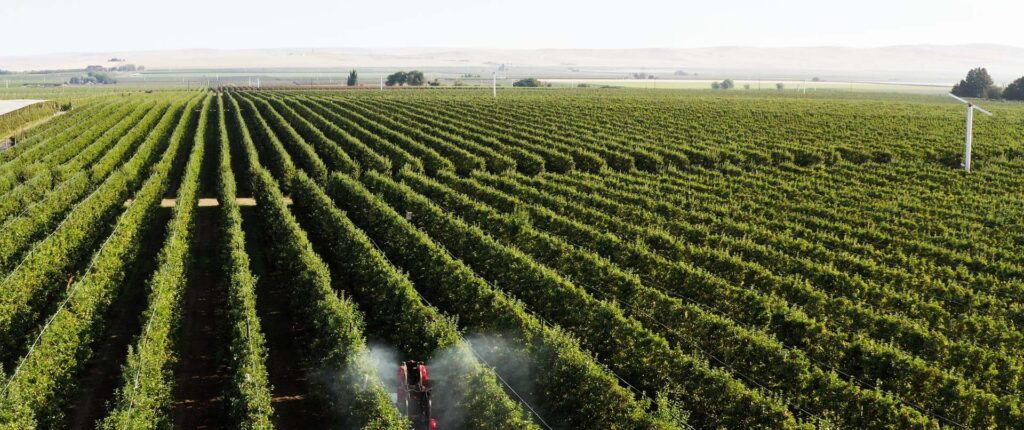
In modern agriculture, success comes down to efficiency, safety and sustainability, especially when managing workers during harvest. With AI-powered farm decision-making, growers can plan smarter, respond faster, and maintain safer, more productive and resilient operations.
AI Crop Prediction does just that. An advanced AI platform built for the agriculture sector, in future it will pull real-time data from soil sensors, irrigation systems and crop health analytics. Combined with historical data and satellite imagery, the insights it delivers let you make truly data-driven decisions.
When you know when and how much you’ll be harvesting, you can reduce labor costs while improving the safety of workers.
Without accurate crop yield and harvest timing predictions, farm management may bring in staff too early, leading to idle time – or too late, forcing exhausting workdays.
AI Crop Prediction removes the guesswork and delivers:
The result? No more overstaffing or last-minute scrambles. Make efficient use of labor hours and protect against long shifts that can lead to burnout.
Harvest seasons are high-pressure periods with long hours and demanding tasks. A rushed workforce can lead to injuries and compromise the quality of your produce. AI-powered agriculture insights from AI Crop Prediction let you schedule workloads to protect workers by:
Poorly timed logistics can create bottlenecks that put people and machinery at risk as workers rush to get through a backlog. With AI-powered farm decision-making, AI Crop Prediction helps managers get people and machinery exactly where and when they need to be, reducing congestion and moving farm equipment.
Labor is one of the most valuable – and costly – resources in the agriculture sector. The adoption of AI in agriculture can deliver fewer overtime hours, lower injury rates and smoother coordination throughout the harvest season. By turning historical data into actionable insight, the platform supports clear, data-driven decisions that keep teams safe and productive. That’s good for everyone. As global food demand rises, these tools are essential to improve food production and build sustainable agricultural systems ready for long-term challenges.