Working in an orchard or vineyard isn’t without risk – you spend long days on your feet in extreme conditions. Safety is even more critical during peak season, but it can be harder to protect, especially when labor shortages make it challenging to cover the extra work. Automation in agriculture is often talked about for its efficiency and productivity benefits. But it can also help safeguard your people in many ways.
It’s easy to get caught up in the notion that automated technologies will steal human jobs – it’s all anyone talks about these days. But automating farm operations doesn’t mean replacing people. It’s about shifting teams away from high-risk tasks and reducing dependency on human labour for the most hazardous jobs.
Using pesticides and fertilisers is an everyday part of the job. However, the more you can minimise contact with these chemicals, the less likely workers are to experience skin irritation or long-term health problems. Automated spraying systems lower the risk by turning the job into something humans oversee rather than do, helping cut labour costs associated with injuries and downtime.
At its core, agricultural work is physical. Over time, lifting, bending and dragging can put workers at risk of musculoskeletal injuries and fatigue. Automation in agriculture takes over the strenuous, repetitive parts of the work to help lower that risk and improve agricultural productivity.
There’s also an increased risk of exhaustion in physically demanding jobs. This is extremely dangerous, especially when operating heavy machinery with many moving parts. Reducing that pressure makes workers feel less tired and more alert, significantly decreasing the chance of fatigue-related accidents.
Humans are great at many things, but we are more prone to making mistakes under stress or fatigue. Automation in agriculture creates control. Machines are programmed to follow instructions with consistent precision and timing and can adapt in real-time to changing conditions.
Automated technologies use sensors to monitor weather patterns, specialty crop health and soil quality. They also have built-in safety features that help minimise equipment failure or unsafe working conditions. With this data, farmers can create risk prevention plans that protect both crops and people, while lowering labour costs and improving overall efficiency.
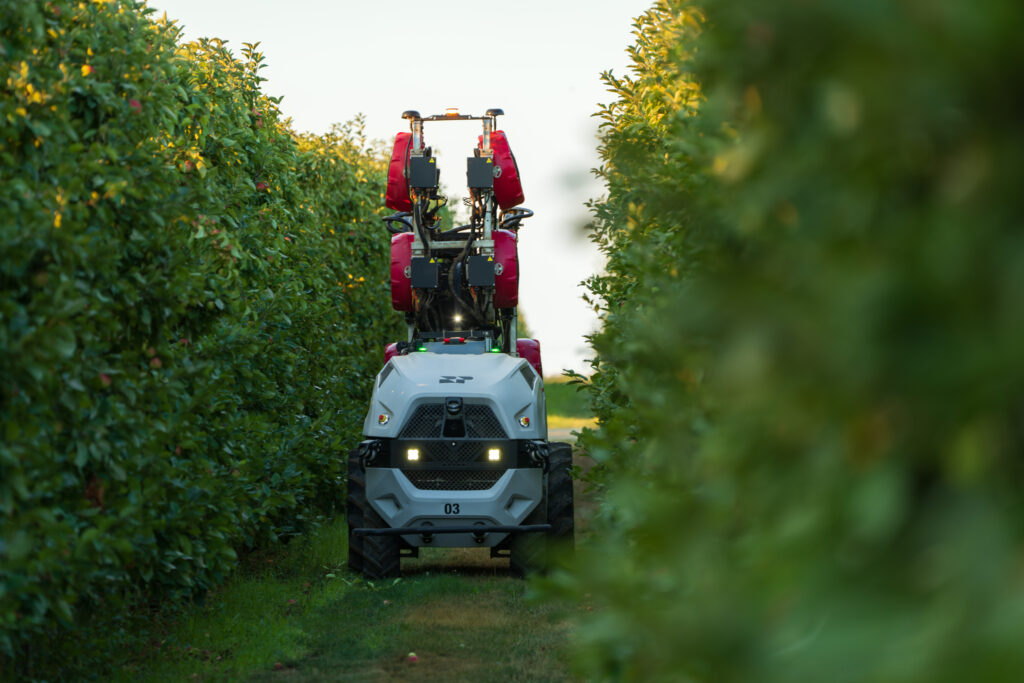
At Yamaha Agriculture, we believe efficiency and agricultural productivity shouldn’t come at the cost of worker safety. From the outside, Prospr is an autonomous, multi-use hybrid vehicle designed to lighten the labor load. But it’s so much more than that – it’s a system that cuts the risk of accidents so your people can feel safer at work.
At the end of the day, nothing is more important than the safety of your people. With fewer accidents and less risk, vineyards and orchards become more sustainable, resilient and attractive workplaces. With automated technologies like Prospr, growers can improve agricultural productivity and overcome labor shortages – all while creating safer, more sustainable operations.